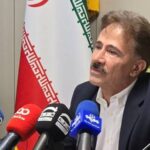

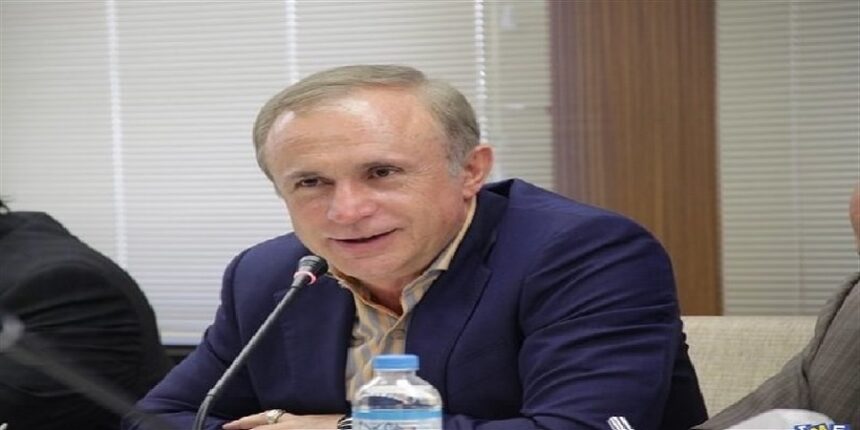
The head of the Day-Old Chick Producers Association and chairman of the board of the Iran Integrated Poultry Meat Producers Association, referring to the state of broiler chicken production during the “Third Imposed War” and afterward, said: “We were not harmed during the war because the feed inputs we had ordered were unloaded and cleared on time. In addition, the country has enough livestock feed reserves for three months.”
According to Agrofoodnews, Gholamali Fareghi, head of the Day-Old Chick Producers Association and chairman of the board of the Iran Integrated Poultry Meat Producers Association, explained the conditions governing chicken meat production and said: “The Ramadan war coincided with the plan to remove the preferential exchange rate, and this overlap created problems for producers. When the exchange rate rose from 28,000 tomans to above 100,000 and has now even reached 150,000 tomans, heavy pressure was imposed on poultry industry producers. Alongside this pressure, we were suddenly faced with war as well; in fact, the poultry industry had already been facing problems and fluctuations before the war, and the war intensified these pressures.”
Referring to the non-payment of bank facilities that had been intended for this industry, he added: “Today, the biggest problem facing the poultry industry is liquidity, although Bank Keshavarzi, through the credit plan it implemented, has provided some support to this sector. However, this amount is small compared with the difference that was supposed to be allocated to compensate for the liquidity shortfall in this sector. In fact, it had been planned that, through an increase in the capital of Bank Keshavarzi, the bank would inject funds into the poultry sector in the form of credit documents and cash liquidity. This issue had also been approved by the heads of the three branches of government and the Money and Credit Council, but unfortunately by the end of the year these resources were allocated to other expenses.”
Faraghi went on to point to the declining trend in chick placement at the end of last year and the beginning of the new year and said: “Although this decline continued in Farvardin, it was partly compensated in Ordibehesht and reached 110 million chicks.”
The head of the Iran Integrated Poultry Meat Producers Association emphasized: “Part of the decline in chick placement was due to reduced demand. Since chicken prices increased, demand also fell to some extent.”
Announcing that chick placement and the production trend would stabilize in the coming days, he stressed: “Although chicken prices increased over the past two weeks, this increase will stop.”
He described the main reason for this price rise as the lack of chick placement during the first 15 days of the new year and added: “Due to the war situation, Nowruz, and a traditional pattern, chick placement declined at the beginning of the year 1405. However, in the coming days, broiler chick placement will return to normal conditions. As a result, the increased demand we saw over the past two weeks, or any shortage that was felt, will no longer exist from next week. Also, since feed reserves are available in the country for three months, there is no cause for concern in this regard, and we will not face a decline in production.”
In another part of his remarks, Faraghi announced that the extraordinary ordinary general assembly of the Iran Integrated Poultry Meat Producers Association would be held and said: “This assembly will take place on Sunday, Khordad 17, at 9 a.m. at the association’s premises.”
The head of the Iran Integrated Poultry Meat Producers Association continued: “The agenda of the assembly includes presentation of the board of directors’ and treasurer’s performance reports, presentation of the inspector’s and auditor’s reports, review and approval of financial statements, designation of a widely circulated newspaper, determination of the annual entrance fee and membership fee for members, and election of the principal and alternate inspectors.”
He stressed: “At the assembly meeting, we intend to discuss overall policymaking regarding production and the development of integrated units. These policies in fact concern the association’s role in regulating the chicken market and planning for chicken exports. If consensus is reached, we will, through an agreement with the government, seek to have market regulation entrusted to integrated companies.”